
 Click main image to view in full screen. Unlock all 29 preview images:
ISO 22301:2019 (Security & Resilience - BCMS) Awareness – PowerPoint PPTX Template
PowerPoint (PPTX) 75 Slides


BENEFITS OF THIS DOWNLOADABLE POWERPOINT DOCUMENT
- Provides the ISO 22301:2019 BCMS standard to enhance your organization's security and resilience.
- Provides a tool to create awareness of your business continuity system based on the latest ISO 22301:2019 standard.
- Provides guidelines and practical tips for handling an audit session.
BCP PPT TEMPLATE DESCRIPTION
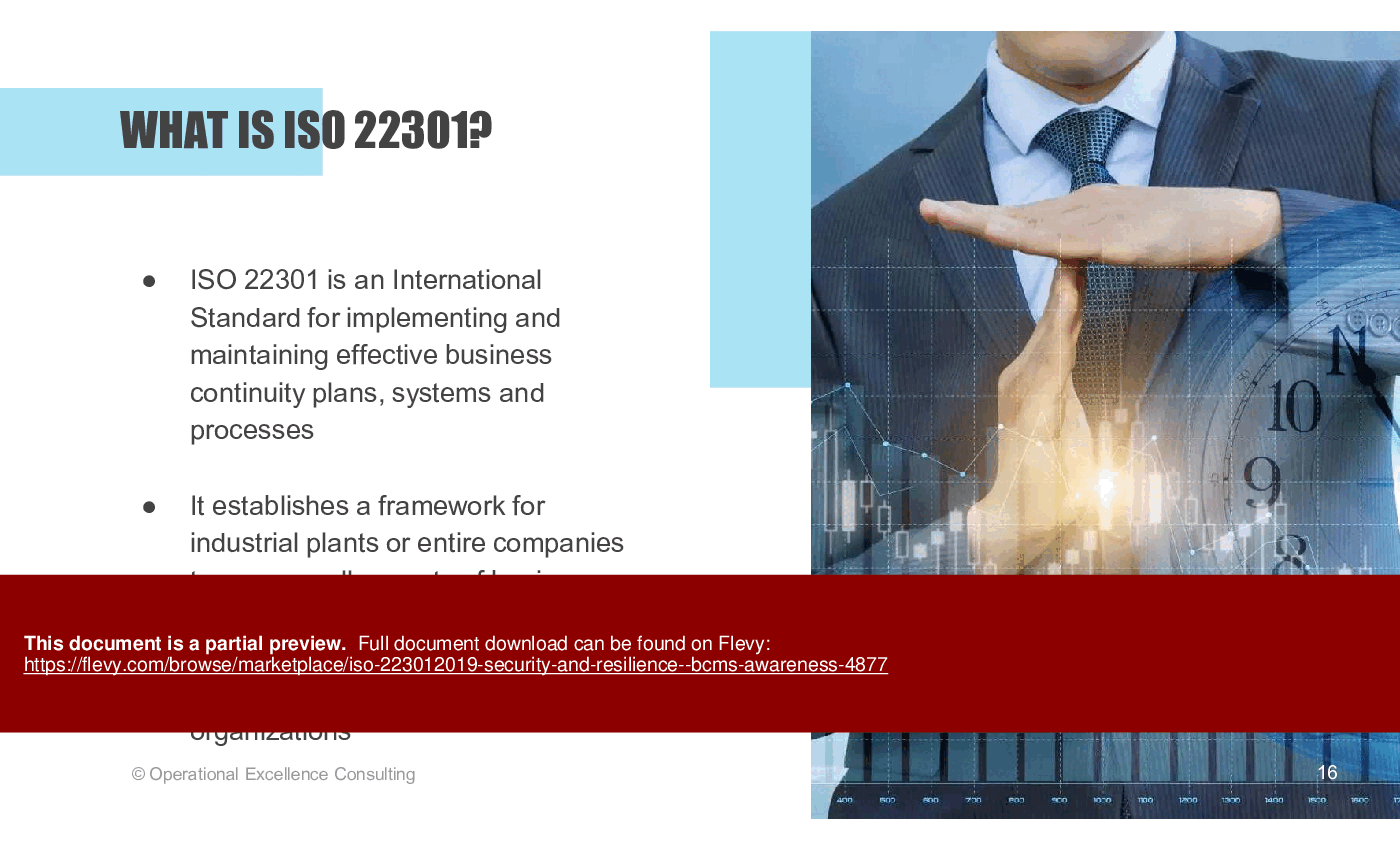
ISO 22301:2019, Security and Resilience – Business Continuity Management System (BCMS), is an internationally recognized standard for organizations to implement and maintain effective business continuity plans, systems, and processes. This updated standard replaces the old ISO 22301:2012.
A wide range of threats can disrupt the smooth operation of an organization, such as floods, cyber-attacks, IT breakdowns, supply chain issues, or loss of skilled staff. Failure to address these threats effectively can lead to disruption or even business failure. Therefore, consistent planning for disasters is essential to provide a more effective response and quicker recovery.
ISO 22301:2019 provides a holistic, strategic approach to an organization's business continuity policy, plans, and actions. By implementing the ISO 22301:2019 framework, organizations can minimize downtime during incidents and improve recovery time. The recent COVID-19 pandemic, floods, and cyber-attacks have highlighted the importance of business continuity plans and systems to keep businesses running and minimize disruptions.
This standard applies to all organizations, regardless of their size, industry, or nature of business. It is also relevant to certification and regulatory bodies, enabling them to assess an organization's ability to meet its legal or regulatory requirements. Business continuity and risk professionals, supply chain directors, audit managers and associates, developers of corporate social responsibility reports, regulatory bodies, and anyone interested in business continuity can benefit from ISO 22301.
ISO 22301 brings together international best practices to help organizations respond to and recover from disruptions effectively. This results in reduced costs and less impact on business performance should something go wrong. Moreover, organizations with multiple sites or divisions can rely on the same consistent approach throughout the entire organization.
ISO 22301 also provides a clear and detailed view of how an organization operates, offering valuable insights for strategic planning, risk management, supply chain management, business transformation, and resource management.
This ISO 22301:2019 (BCMS) Awareness PPT presentation can be used to brief management and staff, new hires, and potential auditees. Alternatively, the presentation may supplement materials for the training of BCMS professionals and internal auditors.
LEARNING OBJECTIVES
1. Provide background knowledge of ISO 22301.
2. Gain an overview of ISO 22301 structure and the certification process.
3. Gather useful tips on handling an audit session.
CONTENTS
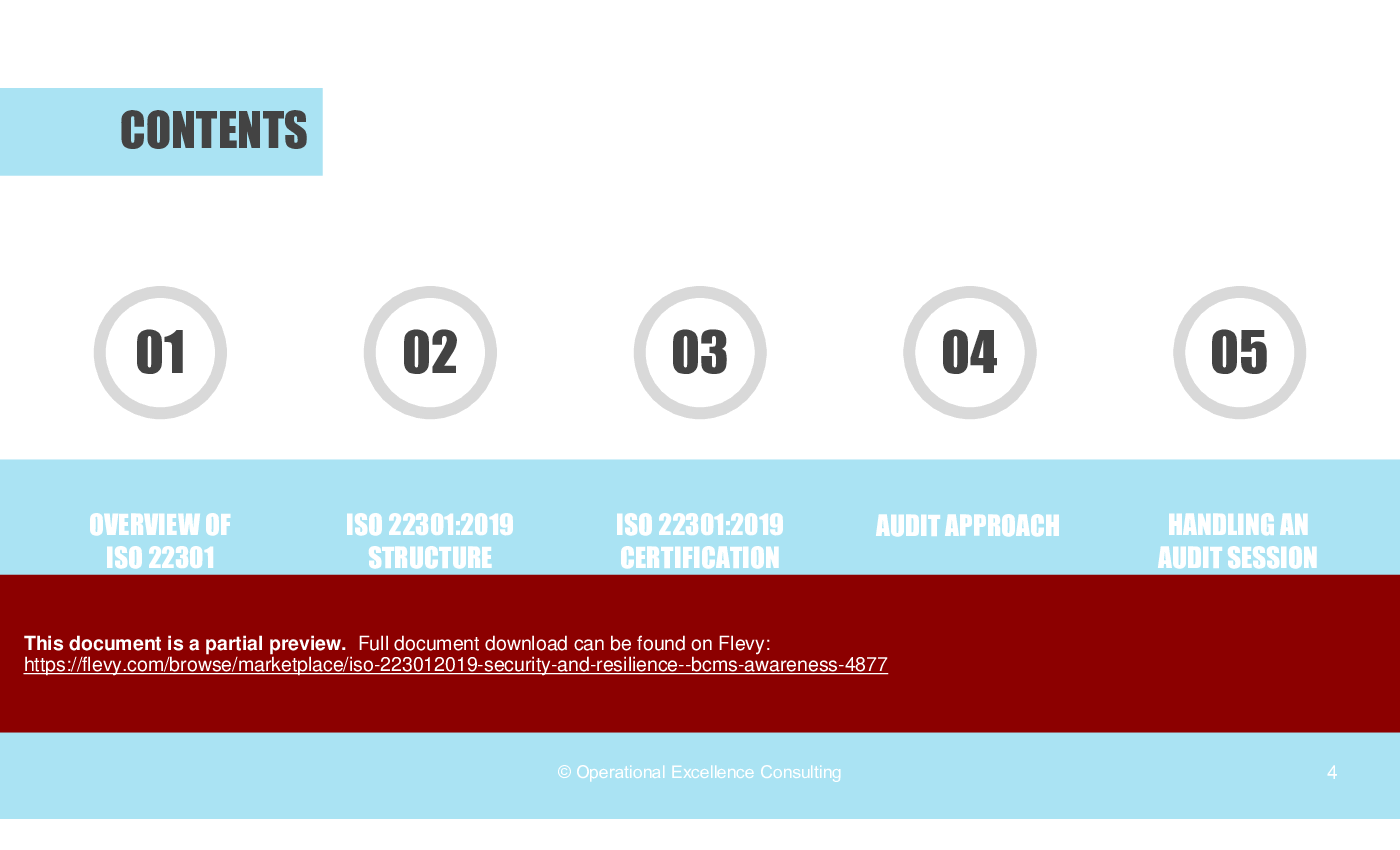
1. Overview of ISO 22301
• About ISO
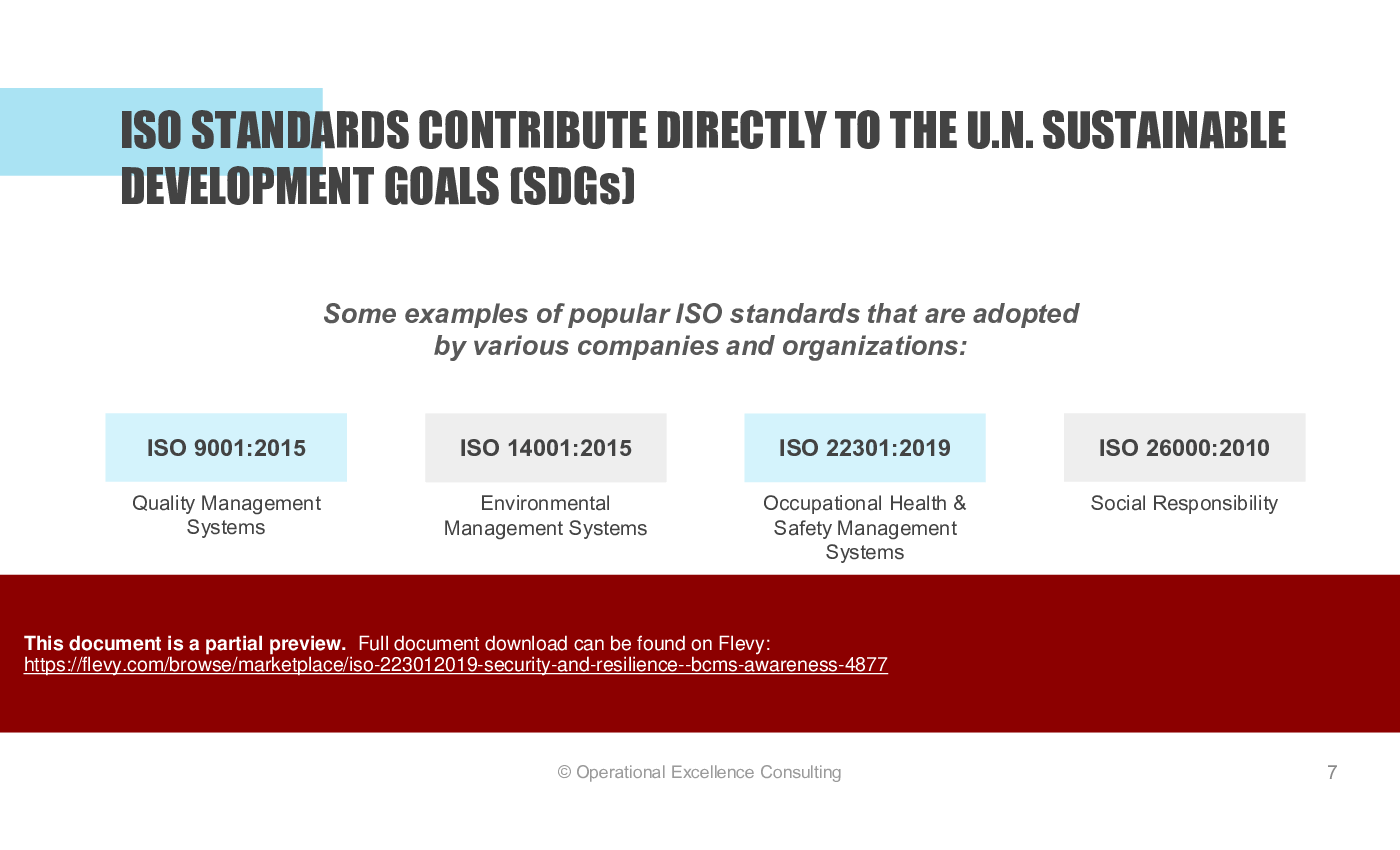
• ISO Standards Contribute Directly to the UN Sustainable Development Goals (SDGs)
• What are Standards?
• What Standards are Not
• Why are Standards Important?
• Why an ISO Standard?
• What is a Management System?
• Definition of "Business Continuity"
• What is ISO 22301:2019?
• Development of ISO 22301:2019
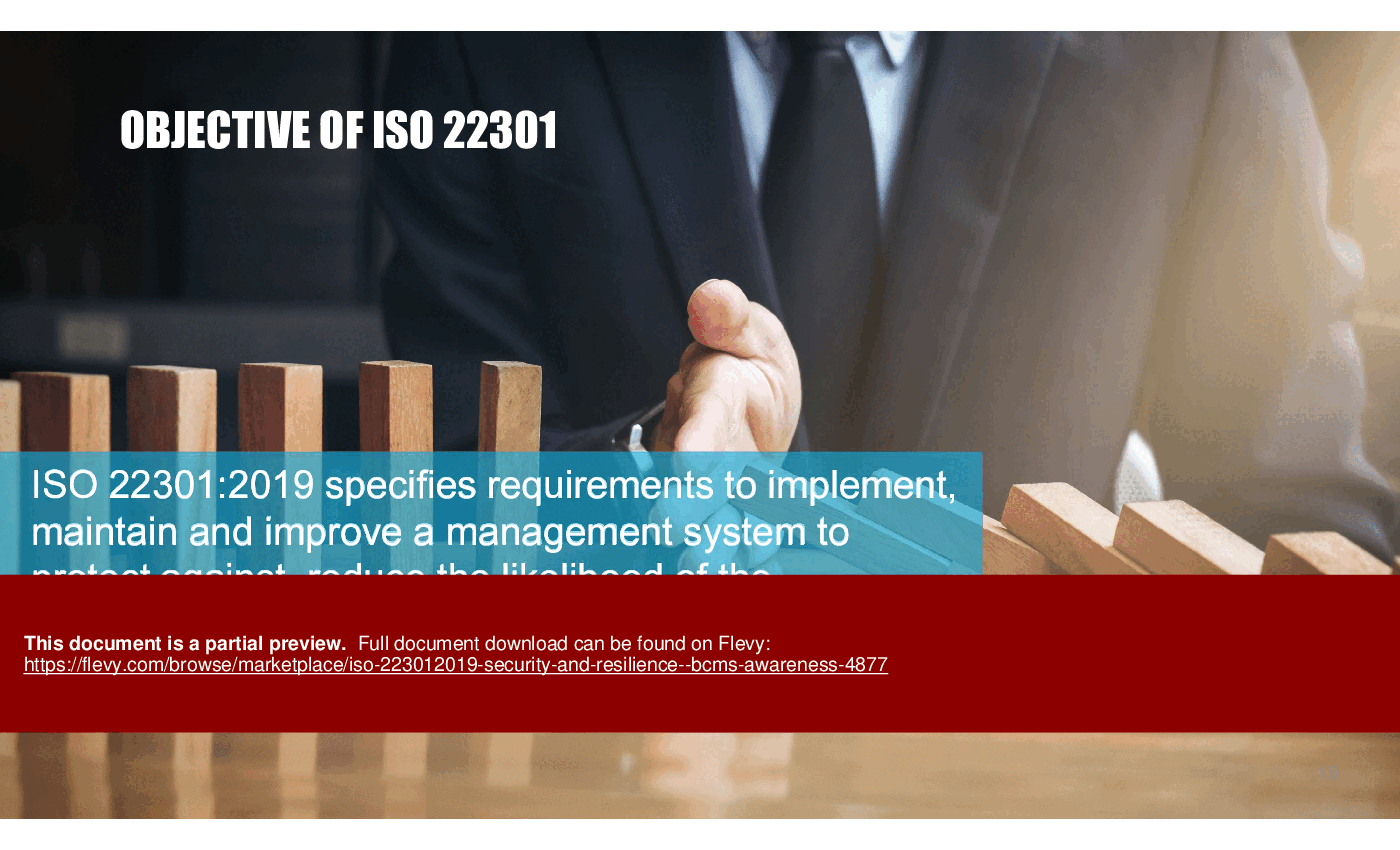
• Objective of ISO 22301:2019
• What Improvements Were Made to ISO 22301:2019?
• Who Can Use ISO 22301:2019?
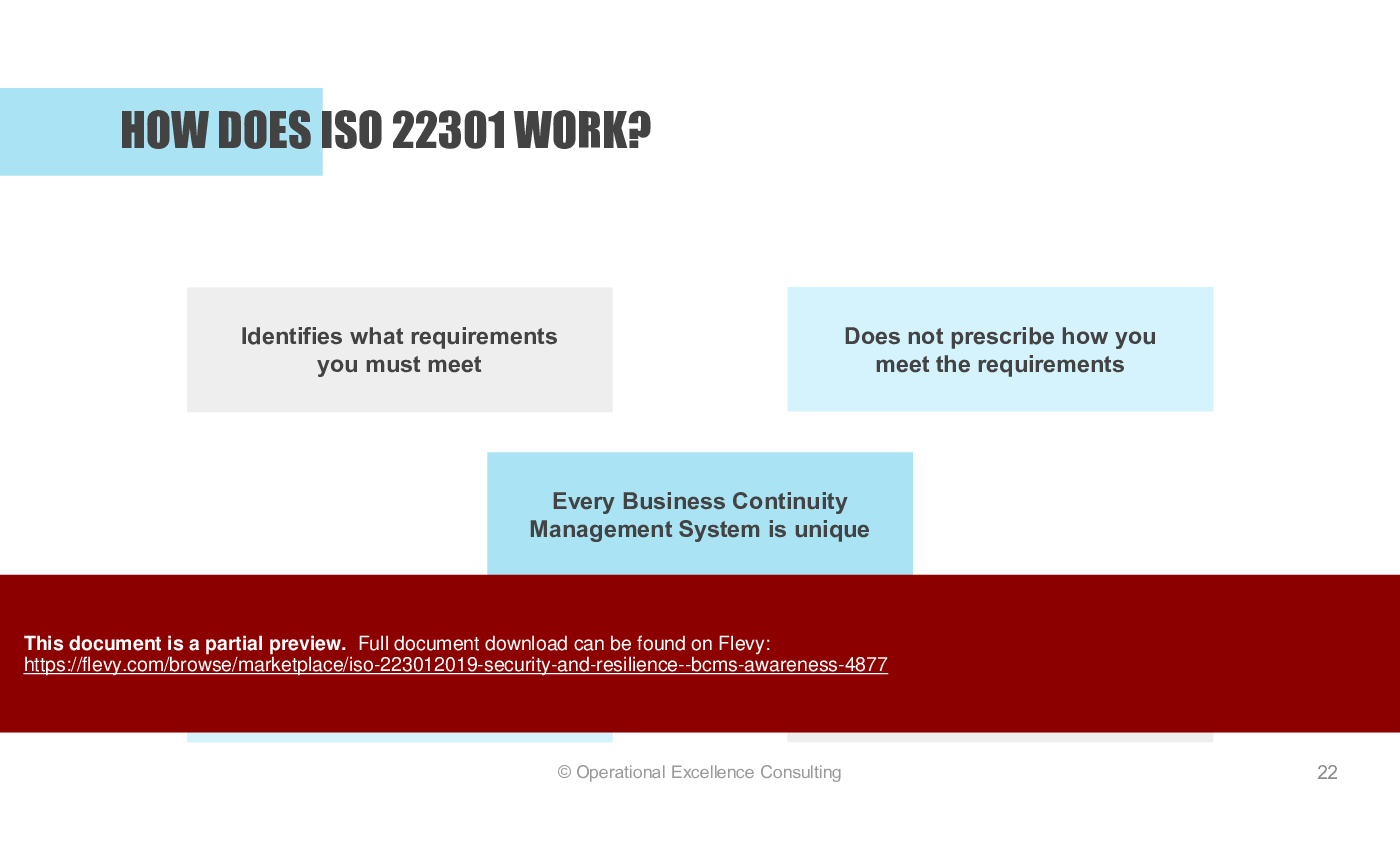
• How Does ISO 22301:2019 Work?
• Benefits of ISO 22301:2019
• Advantages of Certification
• Accreditation & Certification Bodies
• The Plan-Do-Check-Act (PDCA) Process Model
• Emphasis on Process Approach
• Risk-based Thinking
• Benefits of the New ISO 22301:2019
2. ISO 22301 Structure
• What is Annex L?
• Annex L is a Framework for a Generic Management System
• High-Level Structure (HLS)
• ISO 22301:2019 is Based on the High-Level Structure for Management System Standards
• HLS: The Same Core Elements
• ISO 22301:2019 is Based on the PDCA Cycle
• PDCA and ISO 22301:2019 Clause Structure
• ISO 22301:2019 Key Clause Structure (4-10)
• Context of the Organization
• Leadership
• Planning
• Support
• Operation
• Performance Evaluation
• Improvement
• The PDCA Cycle is the Engine for Continuous Improvement
• Continual Improvement
3. ISO 22301 Certification Process
• Becoming ISO 22301:2019 Certified
• Aligning/Transitioning to ISO 22301:2019
• The ISO 22301:2019 Certification Process
• What Does Certification Assure?
4. Audit Approach
• What is an Audit?
• What is an ISO Audit?
• What Are Audits Used For?
• Types of Audits
• Internal Audit
• Principles of Auditing
• Audit Approach
• Audit Emphasis
• Review of Documented Information
• Audit Findings
5. Handling an Audit Session
• Rights of Auditee
• Rights of Auditor
• How to Handle the Audit Session?
• Auditee's Conduct
• Do's
• Don'ts
The presentation covers the critical aspects of ISO 22301:2019, including leadership, planning, and the PDCA cycle. It also provides a detailed guide on handling audit sessions effectively.
Got a question about the product? Email us at support@flevy.com or ask the author directly by using the "Ask the Author a Question" form. If you cannot view the preview above this document description, go here to view the large preview instead.
PRESENTATION DEEP DIVE ANALYSIS
This deep-dive analysis was generated from the full 75-slide PowerPoint presentation.
Source: Best Practices in BCP, Business Resilience, ISO 22301 PowerPoint Slides: ISO 22301:2019 (Security & Resilience - BCMS) Awareness PowerPoint (PPTX) Presentation Slide Deck, Operational Excellence Consulting
ABOUT THE AUTHOR

Operational Excellence Consulting, founded in 2009 by Allan Ung, draws from extensive experience at Microsoft, IBM, and Underwriters Laboratories (UL). We specialize in strategy deployment, customer experience design, and operational excellence, applying Design Thinking, Lean, and Systems Thinking to maximize customer value and minimize waste.
Our
... [read more]
Ask the Author a Question
You must be logged in to contact the author.




























